- (509) 275-8011
- 519 North Willow Road, Spokane Valley, WA 99206
When a main line shears or a flat roof fails during a Spokane Valley winter, the clock starts ticking against your bottom line. Commercial properties face unique pressures that residential jobs simply do not—massive square footage, complex HVAC systems, and the looming threat of prolonged operational downtime. You need more than a simple cleanup crew; you need a partner who understands that every hour your doors are closed is an hour of lost revenue. Our approach focuses on rapid mobilization to stabilize the environment before secondary damage like mold or structural rot can take hold in your facility.
We follow the strict IICRC S500 standard for all restoration work, ensuring that your property isn’t just visually clean, but scientifically dry. Our experienced technicians use advanced moisture mapping and psychrometric documentation to track the progress of every drying chamber we establish. Whether you are dealing with a Category 3 water intrusion from a sewage backup or a clean-water pipe burst, we use commercial desiccant dehumidification and high-volume extraction equipment to pull moisture from deep within the building envelope and structural materials.
Navigating the administrative side of a large-loss water event can be as taxing as the physical damage itself. We provide detailed scope of loss reports and itemized Xactimate estimates that your insurance carrier or third-party administrator (TPA) requires for claim approval. By maintaining clear communication with all stakeholders, we help streamline the billing process so you can focus on managing your operations. We serve a wide variety of areas we serve throughout the region, bringing the same level of technical precision to every warehouse, office suite, or retail space we enter.
Speed is the primary factor in controlling restoration costs and preventing long-term structural issues. In the Spokane Valley climate, where freeze-thaw cycles often lead to sudden plumbing failures, having a rapid response team is vital. We work to restore your property to its pre-loss condition while minimizing the footprint of our equipment so your tenants or employees can remain productive whenever possible. From initial moisture meter readings to the final structural drying protocol, we ensure your building is safe, dry, and ready for reoccupancy.
When a pipe bursts in a Spokane Valley office suite or spring snowmelt floods a warehouse floor, the clock doesn’t just tick; it drains your revenue. The primary advantage of professional commercial mitigation is the drastic reduction in total claim costs by stopping the migration of Category 3 water intrusion before it saturates complex structural assemblies. By deploying commercial desiccant dehumidification early, you aren’t just drying carpets; you are preserving the building’s envelope and preventing the kind of deep-seated rot that forces long-term closures. Our approach focuses heavily on business interruption mitigation, ensuring that your tenants or customers can return to a safe, healthy environment without the lingering scent of secondary mold growth.
Precision is the difference between a surface that feels dry and a facility that is truly restored. We use advanced moisture mapping and psychrometric documentation to prove your building meets the IICRC S500 standard for professional water damage restoration. This level of technical detail is vital for your insurance carrier and third-party TPA billing, providing a clear scope of loss report that justifies every step of the structural drying protocol. Whether you are dealing with the aftermath of a freeze-thaw burst or a summer thunderstorm, our team provides the technical data required to verify that your property is safe for reoccupancy. This transparency protects your liability and ensures that finance teams have the itemized estimates they need to close claims quickly.
Operational Continuity — We prioritize drying-in-place techniques whenever possible to keep your doors open and minimize the financial hit of a large-loss water event.
Liability Protection — Comprehensive moisture meter readings and daily logs provide a clear audit trail that proves the building was restored to pre-loss condition.
Insurance Alignment — Our crew generates itemized reports and Xactimate estimates that match the documentation formats required by major commercial carriers.
Advanced Extraction — We use high-volume commercial extraction equipment to remove bulk water faster than standard pumps, preventing saturation of subfloors.
Mold Prevention — Rapid stabilization of the drying chamber containment prevents the high-humidity conditions that trigger mold outbreaks in Spokane Valley commercial stock.
When a pipe bursts during a Spokane Valley freeze in January, every minute counts. We aim to have a crew on-site within two hours because rapid mobilization is the only way to prevent a standard leak from becoming a large-loss event. Our team arrives ready to begin moisture mapping and immediate extraction. This speed is critical for Commercial Water Damage Restoration because it limits the time water has to migrate into subflooring or behind wall assemblies. You can find more details about the areas we serve and our typical response times across the region. We prioritize stabilization to ensure your business operations face the shortest possible interruption.
Navigating a commercial claim is often more complex than residential work due to the scale of the loss. For Commercial Water Damage Restoration in Spokane Valley, we provide the specific documentation your insurance carrier or third-party administrator (TPA) requires. This includes detailed psychrometric documentation and daily moisture logs that prove the building is returning to its pre-loss condition. We use Xactimate-style itemized estimates to ensure there are no surprises during the billing process. Our goal is to take the administrative burden off your facility manager by providing a clear scope of loss report that aligns with IICRC S500 standards, making the approval process much smoother for your finance team.
Understanding the difference between Category 1 (clean water) and Category 3 (grossly contaminated) is vital for safety. Category 3 water intrusion, such as a sewage backup or floodwater from snowmelt, contains pathogenic agents that require strict PPE protocols and antimicrobial treatments. In Spokane Valley, Commercial Water Damage Restoration for these “black water” events often involves removing porous materials like drywall and insulation rather than just drying them. You can learn more about these safety standards on the IICRC website. We follow these rigorous structural drying protocols to ensure your environment is not just dry, but biologically safe for your employees and customers to reoccupy.
One of the biggest concerns for property managers is whether they have to shut down entirely. In many cases, we can use drying chamber containment to isolate the affected area, allowing your business to remain operational in other sections of the building. We use commercial desiccant dehumidification and high-capacity air movers that are strategically placed to minimize noise and foot-traffic disruption. While Commercial Water Damage Restoration in Spokane Valley does require equipment to run 24/7 to maintain the necessary vapor pressure for drying, we work closely with your operations team to coordinate the setup. Our priority is business continuity, ensuring that the restoration process doesn’t cost you more in lost revenue than the physical damage itself.
You cannot determine if a building is dry by touch alone. We use professional-grade moisture meter readings and thermal imaging to verify that moisture levels in structural components—like heavy timber or concrete slabs—have returned to their dry standard. This moisture mapping is a core part of Commercial Water Damage Restoration in Spokane Valley. We don’t pull our equipment until the psychrometric data confirms the environment is stable. This prevents secondary issues like mold growth or structural rot that can appear months after a job is finished. You will receive a final report documenting these readings, providing the proof you need for your records and your insurance company.
When a supply line fails in your warehouse or a roof leak threatens your retail floor, every hour of standing water translates to lost revenue. Our experienced technicians understand that commercial desiccant dehumidification isn’t just about drying drywall—it is about aggressive business interruption mitigation. We arrive ready to implement an IICRC S500 structural drying protocol that protects your inventory, your electronics, and your lease obligations.
You should not have to choose between fast action and professional documentation. We provide the psychrometric documentation and moisture mapping your insurance carrier requires to approve the claim without delays. Don’t let a localized leak turn into a total facility shutdown; get a professional crew on-site in Spokane Valley before secondary mold growth sets in.
When your facility faces a large-loss water event, you don’t just need a cleanup crew; you need a business continuity partner. Wilson Restoration is locally owned and operated right here in Spokane Valley, meaning we aren’t beholden to national franchise scripts or distant dispatchers. Our technicians are IICRC-certified in Water Damage Restoration (WRT) and Applied Structural Drying (ASD), ensuring every project follows the rigorous IICRC S500 standard. We understand the specific challenges of the Inland Northwest, from burst pipes during a February deep freeze to spring snowmelt flooding. Unlike general contractors who might dabble in restoration as a side business, we specialize in the complex psychrometric documentation and moisture mapping required to prove your building is truly dry and safe for reoccupancy.
We use commercial desiccant dehumidification and high-volume extraction equipment specifically sized for warehouses, retail spaces, and multi-tenant office suites. Our team provides detailed scope of loss reports and itemized Xactimate estimates that your insurance carrier or third-party administrator (TPA) expects. This transparency eliminates the friction often found with “break-fix” shops that lack the administrative depth to handle commercial claims. By choosing our team of experienced technicians, you are ensuring that your property is restored to pre-loss condition without the risk of secondary mold growth or structural rot. Wilson Restoration stands by every job with a commitment to rapid mobilization and professional-grade results that national chains simply cannot match.
When a pipe bursts in a Spokane Valley office park during a January deep freeze, the clock isn’t just ticking on the building materials; it’s ticking on your revenue. Ignoring or underscoping water intrusion in a commercial setting is a recipe for long-term structural rot and astronomical business interruption costs. Water migrates fast. It travels through shared wall cavities and subflooring, often reaching areas your maintenance team cannot see with the naked eye. We use advanced moisture mapping to track this migration, ensuring that a simple leak doesn’t escalate into a Category 3 water intrusion event that shutters your doors for weeks.
Professional restoration is about more than just removing standing water. It requires a rigorous structural drying protocol that follows the IICRC S500 standard to prevent secondary damage like mold or permanent slab warping. For property managers in the Inland Northwest, the stakes are high because insurance carriers and third-party administrators demand precise psychrometric documentation before they approve a claim. If your contractor doesn’t provide a detailed scope of loss report or daily moisture meter readings, you might find yourself footing the bill for a loss that should have been covered. Our experienced technicians understand that finance teams need transparency, which is why we prioritize itemized Xactimate estimates from the first day of the loss.
Spokane Valley’s unique geography, particularly the clay-heavy soils that create hydrostatic pressure during the spring snowmelt, often leads to unexpected seepage through commercial slabs. This isn’t just a nuisance; it can compromise the integrity of your foundation and ruin expensive inventory. Furthermore, for those managing older buildings constructed before the mid-1980s, any aggressive drying or demolition must account for potential asbestos-containing materials in floor tiles or pipe wrap. We coordinate these complexities so you don’t have to. By deploying commercial desiccant dehumidification early, we stabilize the environment, protecting your electronics and specialized equipment from the high humidity that follows a large-loss event.
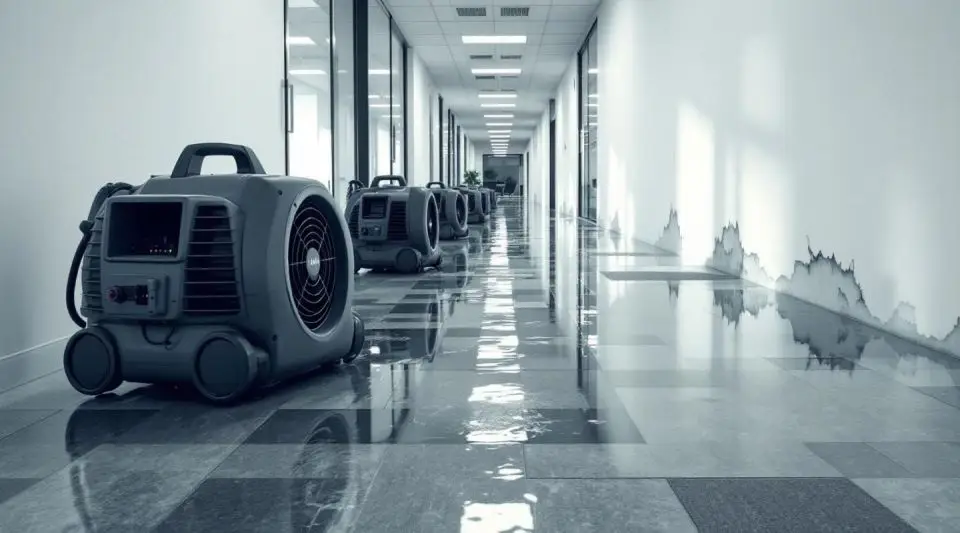
Walking into your Spokane Valley office complex to find a burst pipe has sent water cascading through multiple floors is a high-stakes crisis.
Learn more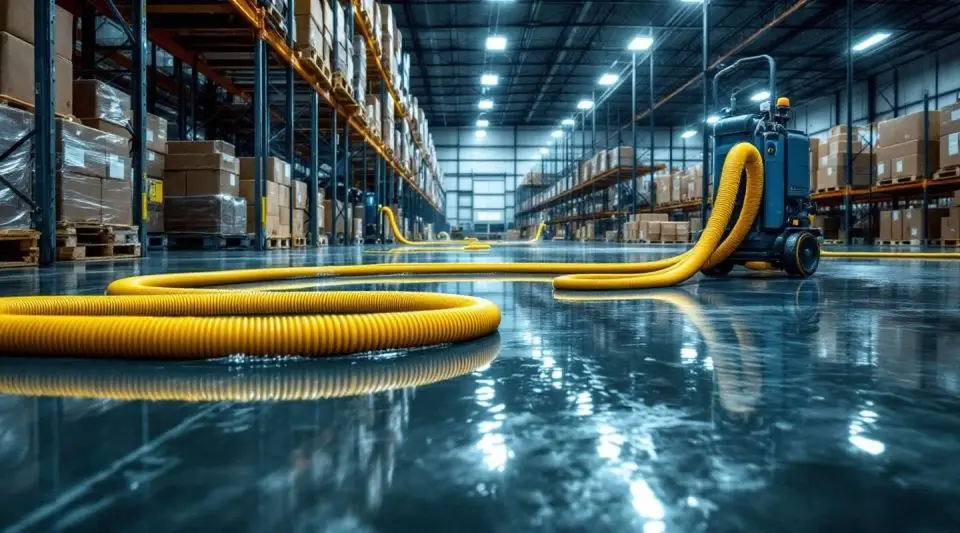
When a fire suppression line shears or a heavy rain event overwhelms the drainage at your Spokane Valley facility, the clock starts ticking against your inventory and your concrete slab.
Learn more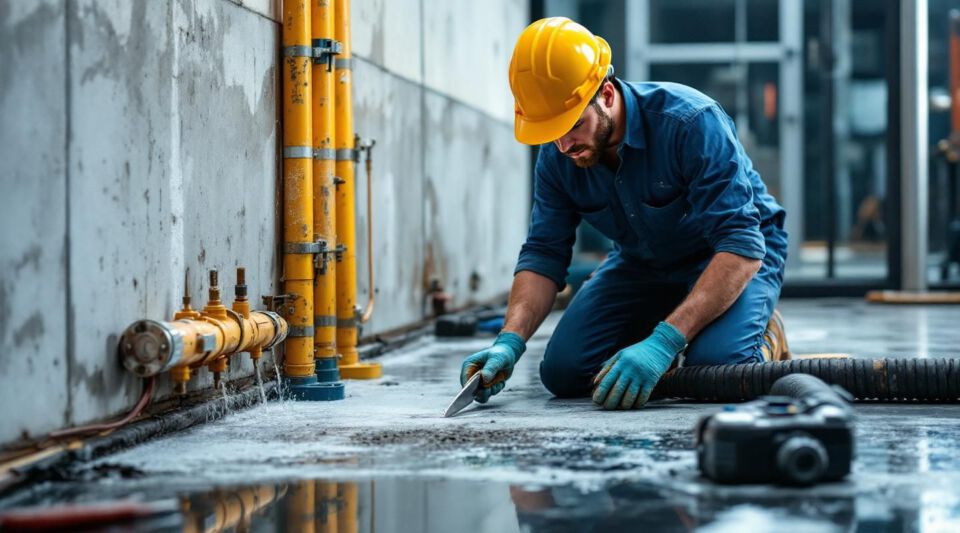
When a main line bursts on the fourth floor of a hotel, you aren't just dealing with a puddle; you're facing a logistical crisis that threatens your room inventory and brand reputation.
Learn more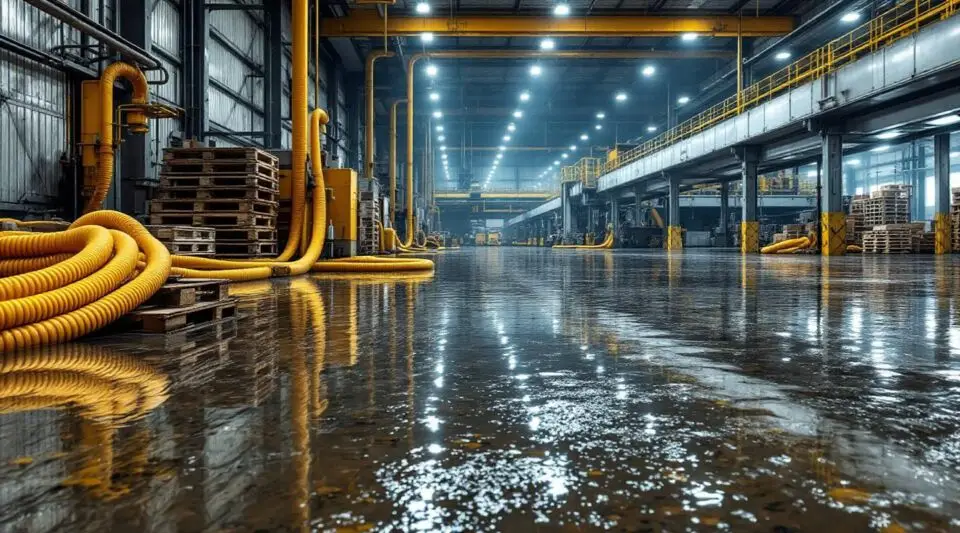
When a water main fails or the spring snowmelt overwhelms the storm drains in the Spokane Valley industrial corridor, your facility doesn't just get wet—it stops.
Learn more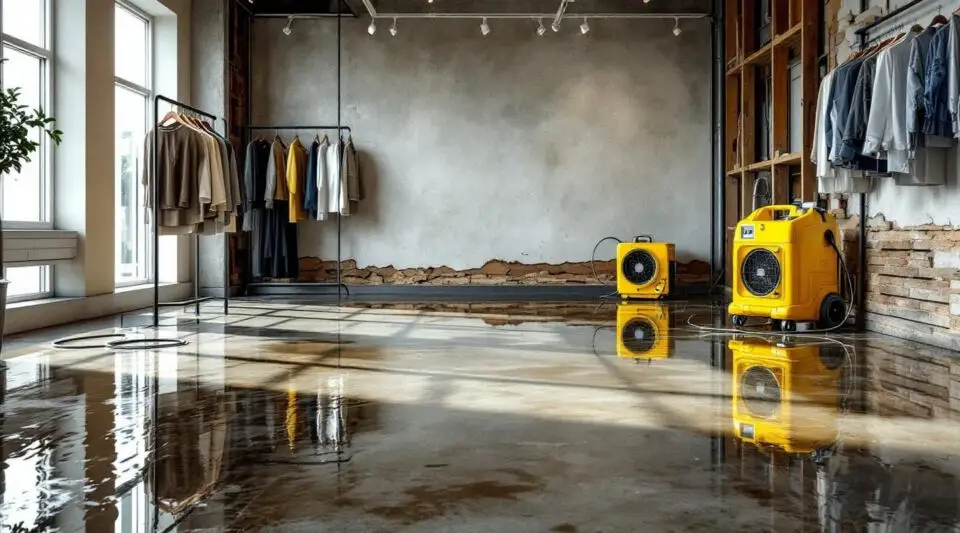
When a water main snaps or a sudden storm overwhelms your storefront in Spokane Valley, the clock starts ticking against your inventory and your bottom line.
Learn more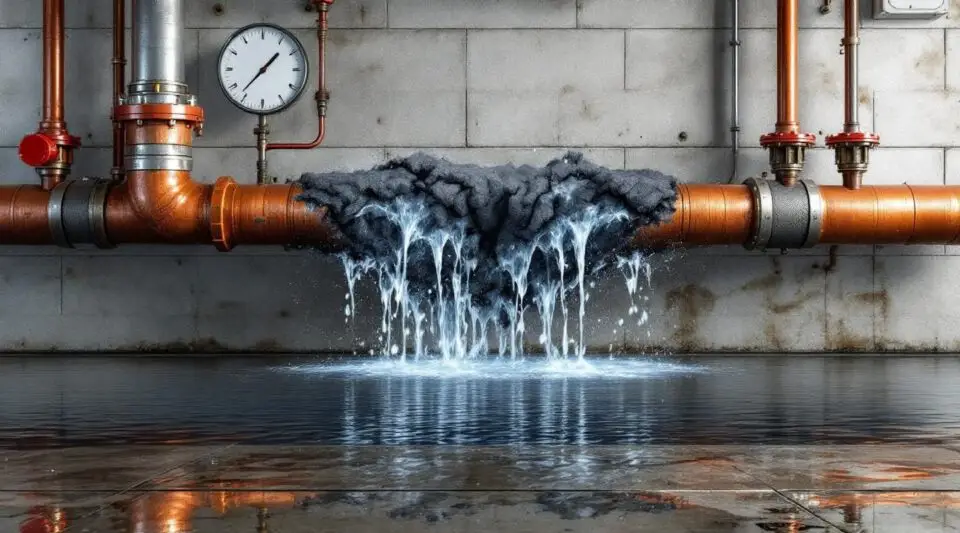
When a pressurized pipe failure occurs in a commercial setting, the volume of water released can be staggering, often flooding multiple floors within minutes.
Learn more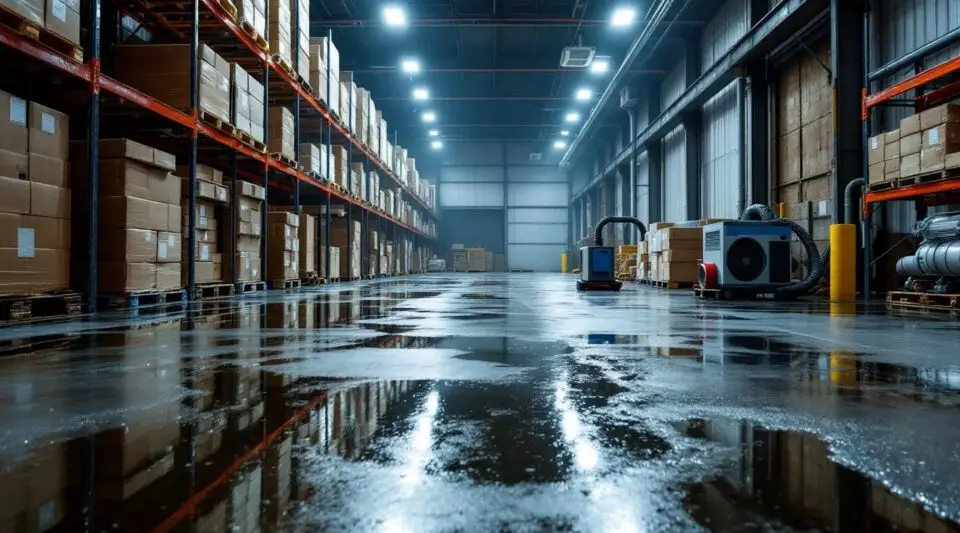
When a fire suppression line bursts or a heavy Inland Northwest snowmelt overwhelms your drainage, a warehouse floor can transform into a massive liability in minutes.
Learn moreWilson Restoration performed a great job of fixing the damage to our home caused by smoke and water. They carefully examined the damage and made a clear plan on how to fix it. The guys did an excellent job quickly, and the results were great.
Dorothy Frazier
This group was great after our basement flooded. They used strong fans and dehumidifiers to make sure everything was absolutely dry. Very careful with the details and affordable prices.
John Hurst
They quickly and carefully fixed the water damage. Structural drying stopped things from getting worse.
Irene Adams
I called them late at night since I needed to remedy water damage right away, and they came right away. They got there right away and got the water out promptly, which made a great difference in how much damage was done.
Mary Taylor
Great communication and quick response time. They cleaned up the water damage swiftly and talked to our insurance company directly. A completely stress-free experience.
Tri Inayati