- (509) 275-8011
- 519 North Willow Road, Spokane Valley, WA 99206
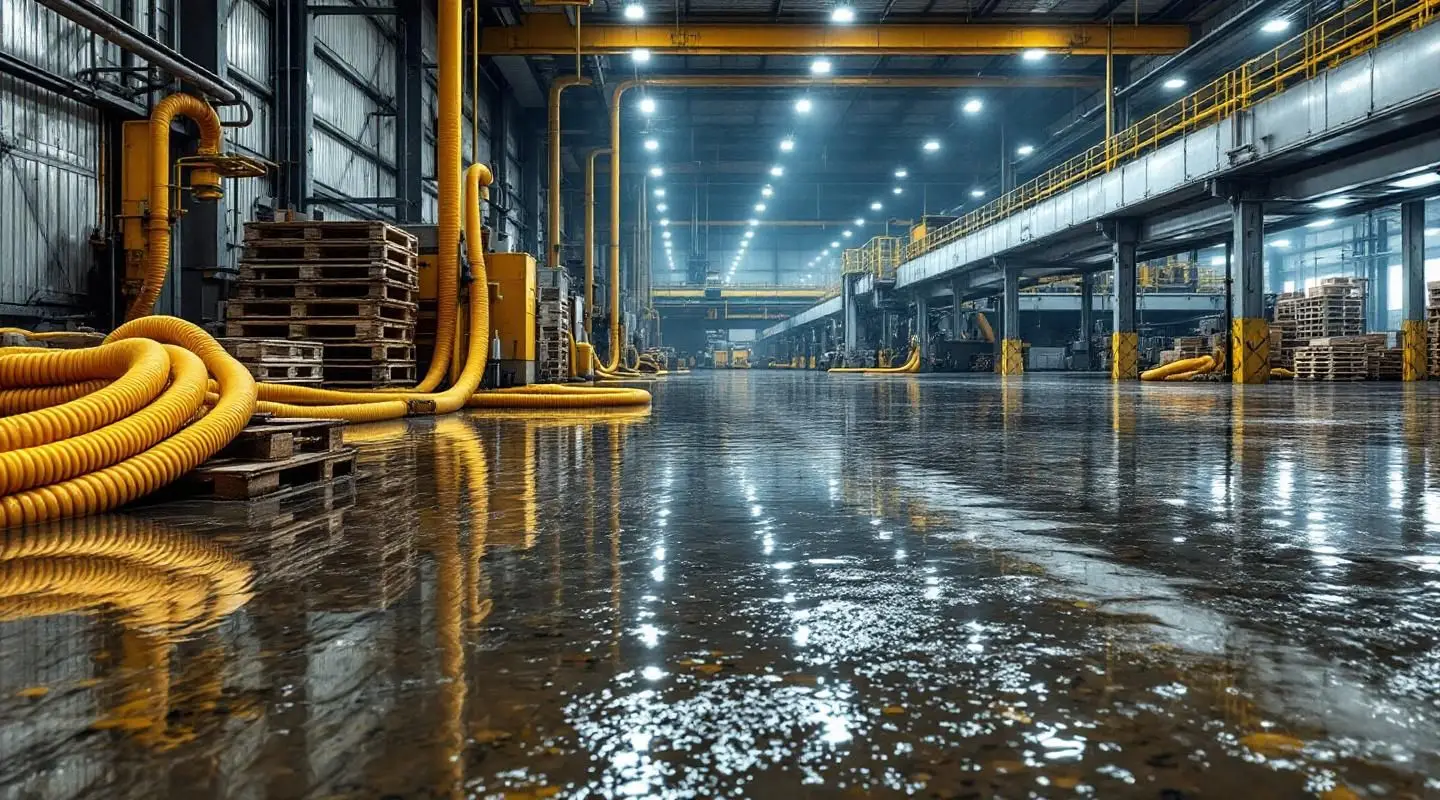
When a water main fails or the spring snowmelt overwhelms the storm drains in the Spokane Valley industrial corridor, your facility doesn’t just get wet—it stops. Every hour that standing water sits on a warehouse floor or inside a manufacturing bay, the risk of structural compromise and mold colonization grows exponentially. We don’t approach these situations like a residential basement leak. Industrial flood cleanup requires a massive mobilization of commercial water extraction equipment and high-capacity desiccant drying systems to stabilize the environment before secondary damage takes hold.
Our crew operates under the IICRC S500 standard, which is the benchmark for professional restoration. We start by establishing containment barriers to protect unaffected areas of your building, then move immediately into moisture mapping. Using thermal imaging inspection tools, we identify exactly where the water has traveled—often behind wall assemblies or under heavy machinery where it isn’t visible to the naked eye. This data-driven approach ensures that our air mover deployment is targeted and effective, rather than just moving humid air around a large room.
If you are dealing with category 3 water intrusion, such as a sewage backup or contaminated runoff, the complexity increases. These scenarios require strict OSHA-compliant PPE and specialized antimicrobial treatments to ensure the facility is safe for your employees to return. We understand that facility downtime mitigation is your primary goal. Our team works to get your operations back online by prioritizing high-traffic zones and critical infrastructure, providing the detailed loss documentation reporting your insurance carrier needs to process a large-loss claim without unnecessary delays.
Choosing an experienced team for this scale of work is about more than just pumps and fans; it is about project management. We handle the logistics of large-scale structural drying protocols so you can focus on managing your staff and customers. Whether it is a loading dock flood or a burst pipe in a server room, we provide the technical expertise and heavy-duty equipment necessary to dry out slab foundations and complex industrial HVAC systems throughout the Spokane Valley region.
Choosing a specialized industrial flood cleanup crew means you aren’t just hiring labor; you are securing the future of your facility. When a water main breaks or the spring snowmelt overwhelms your loading docks in Spokane Valley, every hour of standing water translates to thousands in lost productivity. We focus on facility downtime mitigation by deploying high-capacity commercial water extraction tools that outpace standard restoration equipment. By stabilizing the environment quickly, you prevent the warping of expensive inventory and the degradation of machinery that often follows a large-loss event.
Our approach centers on the IICRC S500 standard, ensuring that every gallon of category 3 water is handled with the necessary containment barriers and PPE. We don’t just dry the surface; we use desiccant drying systems to pull deep-seated moisture from porous concrete slabs and heavy-duty insulation. This level of precision is why local businesses rely on our restoration services in Spokane Valley to handle complex moisture mapping. You get a clear, documented path to recovery that satisfies both your board of directors and your insurance adjuster, ensuring that no hidden pockets of humidity are left to trigger mold growth or structural rot weeks after the initial cleanup.
Minimized Downtime — Rapid extraction and drying protocols get your production line or warehouse back in operation before losses compound.
Accurate Loss Documentation — We provide detailed Xactimate reporting that your insurance carrier requires to process large-loss commercial claims efficiently.
Structural Integrity — Professional moisture mapping ensures that water hidden in concrete slabs or wall cavities is found and removed.
Compliance & Safety — Our crews follow strict IICRC S500 standards to handle category 3 water, keeping your facility compliant with health regulations.
Secondary Damage Prevention — By controlling humidity with desiccant systems, we stop mold colonization and equipment corrosion before they start.
When your facility is under water, every minute is a hit to your bottom line. We prioritize Industrial Flood Cleanup calls in Spokane Valley because we know the local industrial corridor—from the warehouse districts near the river to the light manufacturing plants—is prone to rapid snowmelt issues that require immediate action. Our crews are typically on-site within two hours to begin a large-loss flood response. We don’t just show up with a shop vac; we arrive with high-capacity commercial water extraction units and containment barriers to stop the spread immediately. Quick mobilization is the difference between a three-day drying cycle and a three-week mold remediation project.
Understanding water classification is vital for your staff’s safety. Category 1 is clean water, like a burst supply line in an office. Category 3, often called black water, is highly contaminated and includes sewage backups or rising river water that has picked up silt and chemicals. For Industrial Flood Cleanup in Spokane Valley, we follow the IICRC S500 standard strictly. Category 3 events require full PPE, specialized sewage contamination remediation protocols, and the removal of porous materials that cannot be salvaged. You can verify contractor requirements through the Washington State Department of Labor & Industries to ensure your cleanup meets all legal safety mandates.
Most commercial policies cover sudden water intrusion, but the burden of proof is on the property owner to show the specific extent of the damage. For Industrial Flood Cleanup in Spokane Valley, we provide the detailed loss documentation reporting your adjuster needs to process the claim. We use the Xactimate platform, which is the standard for insurance estimating, to ensure every air mover deployment and moisture mapping session is accounted for accurately. This transparency helps prevent the vague estimate trap and ensures your claim moves through the system without unnecessary friction. We work directly with your carrier to justify the scope of work, from industrial dehumidification to final structural drying.
No two facilities are identical, but a typical Industrial Flood Cleanup project in Spokane Valley takes between three to five days for the drying phase. Large warehouses with concrete slab foundations present a unique challenge because concrete is porous and holds moisture deep within its structure. We use high-capacity desiccant drying systems rather than standard refrigerant dehumidifiers for these industrial-scale jobs. These units pull massive amounts of moisture from the air, creating a vapor pressure differential that draws water out of the slab. We monitor progress daily using thermal imaging inspection and moisture mapping to ensure we aren’t just drying the surface while leaving the subfloor saturated.
We understand that shutting down your entire operation is often more expensive than the flood itself. During Industrial Flood Cleanup in Spokane Valley, we use heavy-duty containment barriers and negative air pressure to isolate the affected zones. This allows your team to continue working in dry areas without risk of cross-contamination or exposure to high-decibel equipment. Our goal is facility downtime mitigation. We can often schedule the loudest phases of commercial water extraction or equipment repositioning during your off-shifts. By zoning the workspace, we keep your production lines moving while our technicians focus on the structural drying protocol in the damaged bays.
Every hour your facility sits idle due to standing water or sewage contamination is an hour of lost revenue and mounting risk. Our team understands that industrial-scale flooding requires more than just a few fans; it demands a strategic deployment of desiccant drying systems and moisture mapping to protect your slab and structural integrity. When you need a fast, professional emergency response in Spokane Valley, we are ready to mobilize our crews and heavy-duty extraction equipment immediately.
Don’t let a category 3 water intrusion turn into a long-term mold liability or a permanent operational halt. We provide the detailed loss documentation your insurance carrier requires and the technical expertise to get your production lines or warehouse floors dry and safe. Contact Wilson Restoration now to speak with a specialist who can coordinate your large-loss recovery from start to finish.
When your facility in Spokane Valley faces a large-loss flood event, you do not just need a cleanup crew; you need a strategic partner who understands the high stakes of industrial operations. Wilson Restoration stands apart because we combine the heavy-duty resources of a national franchise with the immediate accountability of a locally owned business. Our team follows the rigorous IICRC S500 standard for every project, ensuring that your commercial water extraction and moisture mapping are performed to the highest professional benchmarks. We do not just dry surfaces; we execute a full structural drying protocol designed to protect your building’s integrity and your company’s bottom line.
Choosing Wilson Restoration means you are working with experienced technicians who hold specialized certifications in Applied Structural Drying. Unlike general contractors who might dabble in water damage, we specialize in it. We use high-capacity desiccant drying systems and thermal imaging to find hidden pockets of Category 3 water intrusion that others miss. Because we are based right here in the region, our large-loss flood response is measured in minutes, not hours, which is critical for facility downtime mitigation.
We also simplify the administrative burden that follows an industrial disaster. Our staff is proficient in the Xactimate estimating platform, providing the detailed loss documentation reporting that commercial insurance carriers require for rapid claim approval. From setting up containment barriers to the final air mover deployment, Wilson Restoration provides a transparent, professional experience that keeps your operations moving forward while others are still waiting for a callback from a distant corporate office.
Ignoring the full scope of an industrial flood is a gamble with your facility’s bottom line. In Spokane Valley, where rapid spring snowmelt can quickly overwhelm commercial storm drains, a few inches of water in a loading dock or warehouse floor isn’t just a mess—it’s a production freeze. Every hour your machinery sits in standing water or your crew is sidelined by a flooded floor, you are losing revenue that can never be recovered. Professional industrial flood cleanup in Spokane Valley focuses on facility downtime mitigation, ensuring that we extract water and stabilize the environment before the building’s primary systems are compromised.
Beyond the immediate loss of use, the classification of the water matters immensely for your liability and safety. If you are dealing with Category 3 water intrusion—such as a sewage backup or contaminated runoff—the cleanup isn’t just about drying; it’s about biohazard remediation. We follow the IICRC S500 standard strictly because industrial environments often have complex subfloors and slab foundations that trap moisture. Without professional-grade desiccant drying systems and containment barriers, you risk mold colonization within 48 hours, which can lead to compliance violations and long-term health risks for your employees.
Finally, the quality of your loss documentation reporting determines how smoothly your insurance claim proceeds. Most commercial carriers in Washington State require detailed moisture mapping and thermal imaging inspections to prove the building has returned to dry standards. Our technicians use these tools to create a transparent record of the work, from the initial large-loss flood response to the final structural drying protocol. This level of detail protects your investment and ensures you aren’t left paying out-of-pocket for damages that were never properly documented during the chaotic first hours of the emergency.
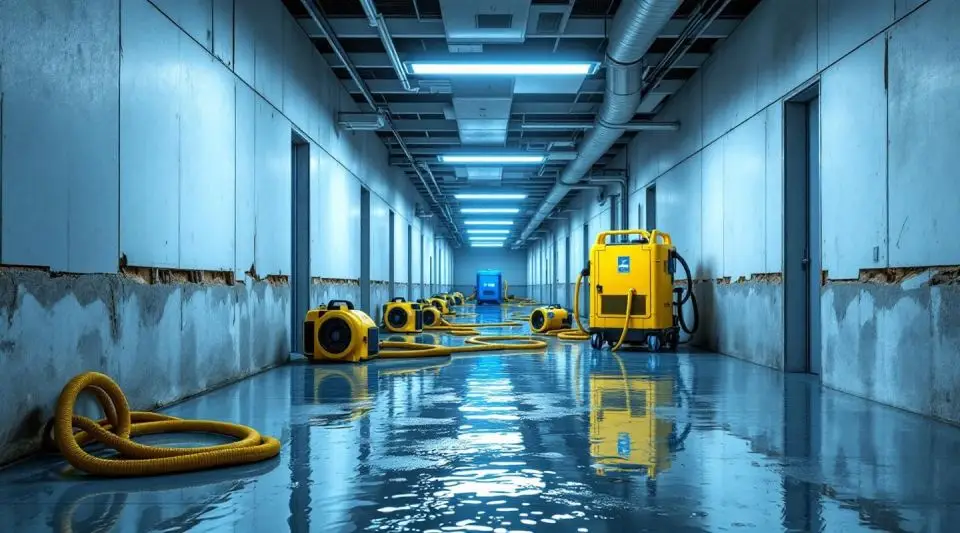
When a main line shears or a flat roof fails during a Spokane Valley winter, the clock starts ticking against your bottom line.
Learn more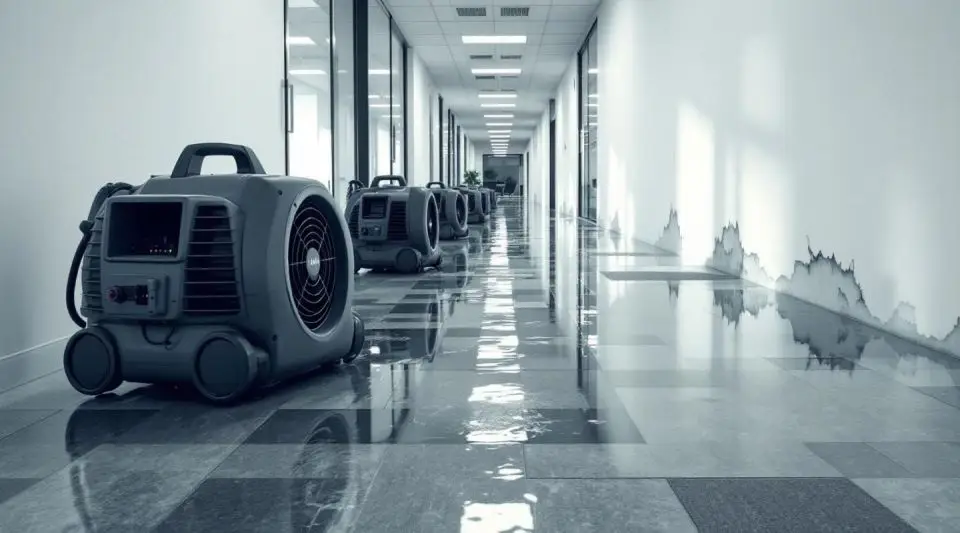
Walking into your Spokane Valley office complex to find a burst pipe has sent water cascading through multiple floors is a high-stakes crisis.
Learn more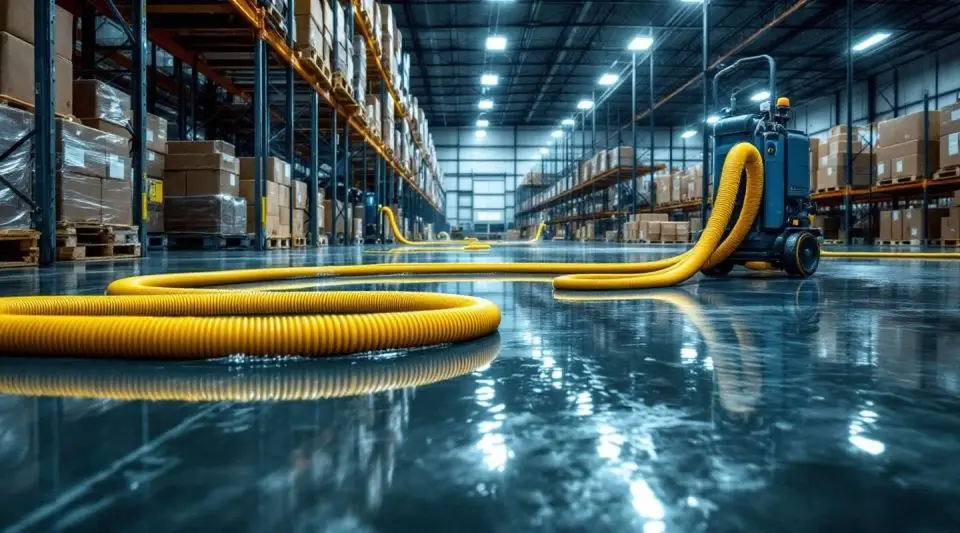
When a fire suppression line shears or a heavy rain event overwhelms the drainage at your Spokane Valley facility, the clock starts ticking against your inventory and your concrete slab.
Learn more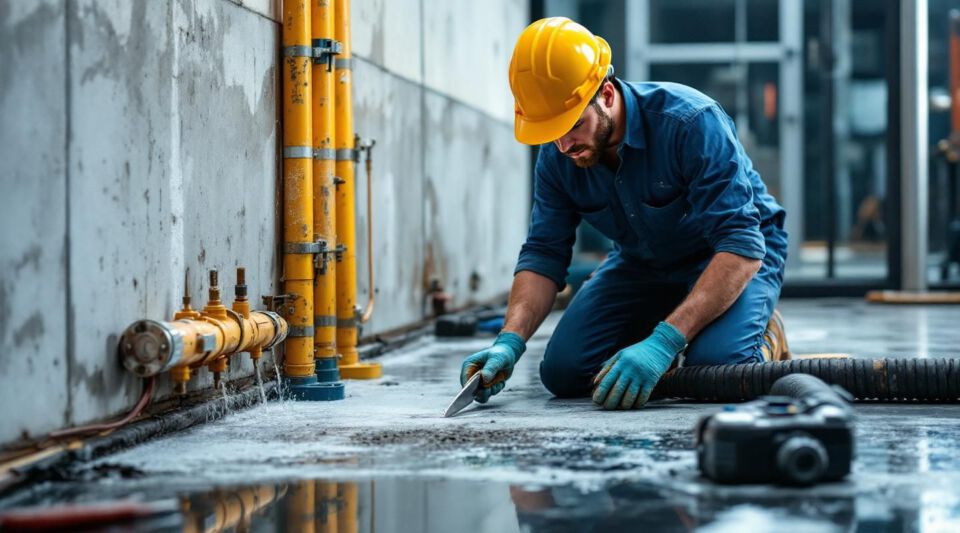
When a main line bursts on the fourth floor of a hotel, you aren't just dealing with a puddle; you're facing a logistical crisis that threatens your room inventory and brand reputation.
Learn more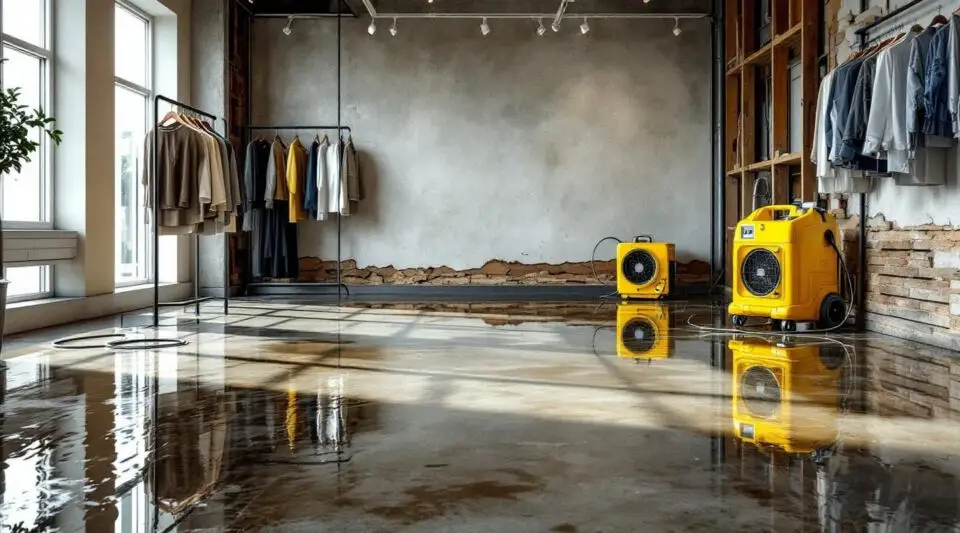
When a water main snaps or a sudden storm overwhelms your storefront in Spokane Valley, the clock starts ticking against your inventory and your bottom line.
Learn more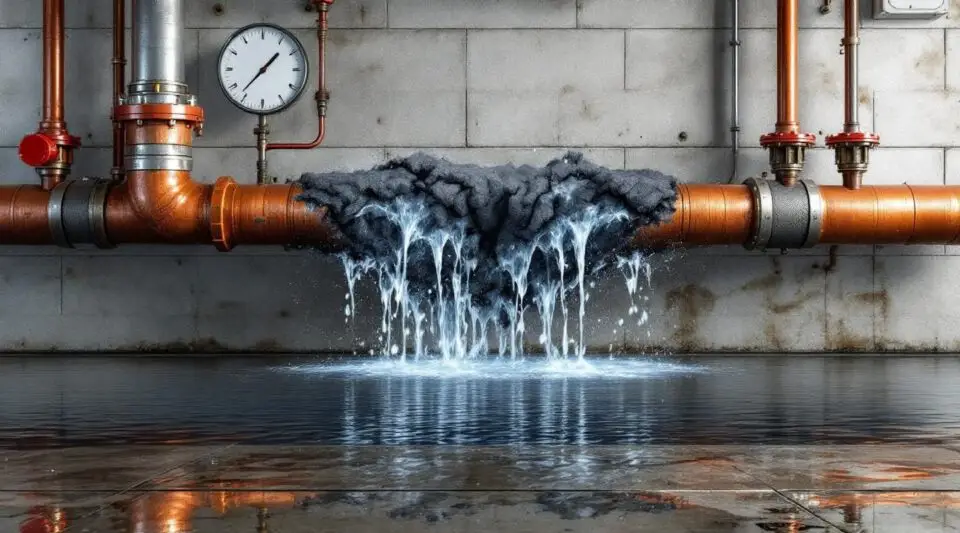
When a pressurized pipe failure occurs in a commercial setting, the volume of water released can be staggering, often flooding multiple floors within minutes.
Learn more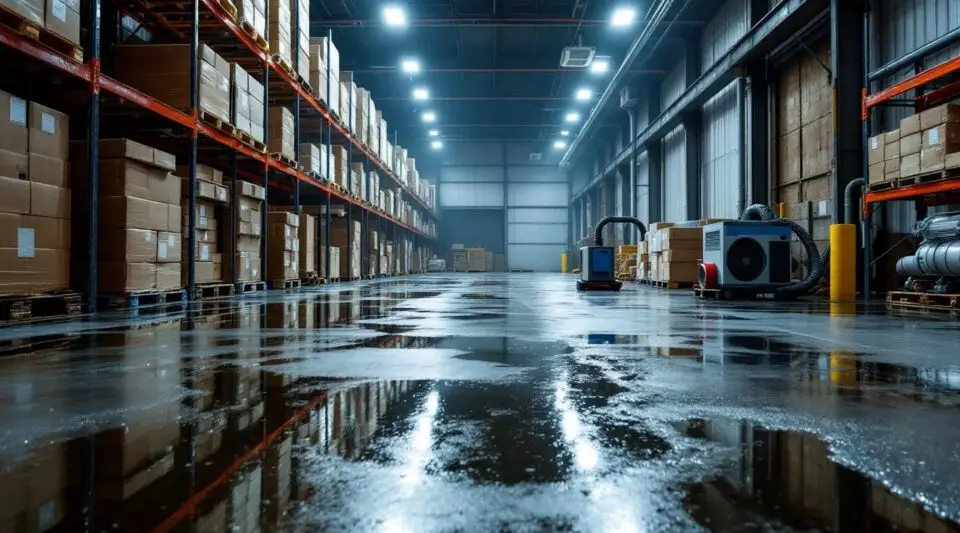
When a fire suppression line bursts or a heavy Inland Northwest snowmelt overwhelms your drainage, a warehouse floor can transform into a massive liability in minutes.
Learn moreWilson Restoration performed a great job of fixing the damage to our home caused by smoke and water. They carefully examined the damage and made a clear plan on how to fix it. The guys did an excellent job quickly, and the results were great.
Dorothy Frazier
This group was great after our basement flooded. They used strong fans and dehumidifiers to make sure everything was absolutely dry. Very careful with the details and affordable prices.
John Hurst
Great communication and quick response time. They cleaned up the water damage swiftly and talked to our insurance company directly. A completely stress-free experience.
Tri Inayati
They quickly and carefully fixed the water damage. Structural drying stopped things from getting worse.
Irene Adams
I called them late at night since I needed to remedy water damage right away, and they came right away. They got there right away and got the water out promptly, which made a great difference in how much damage was done.
Mary Taylor