- (509) 275-8011
- 519 North Willow Road, Spokane Valley, WA 99206
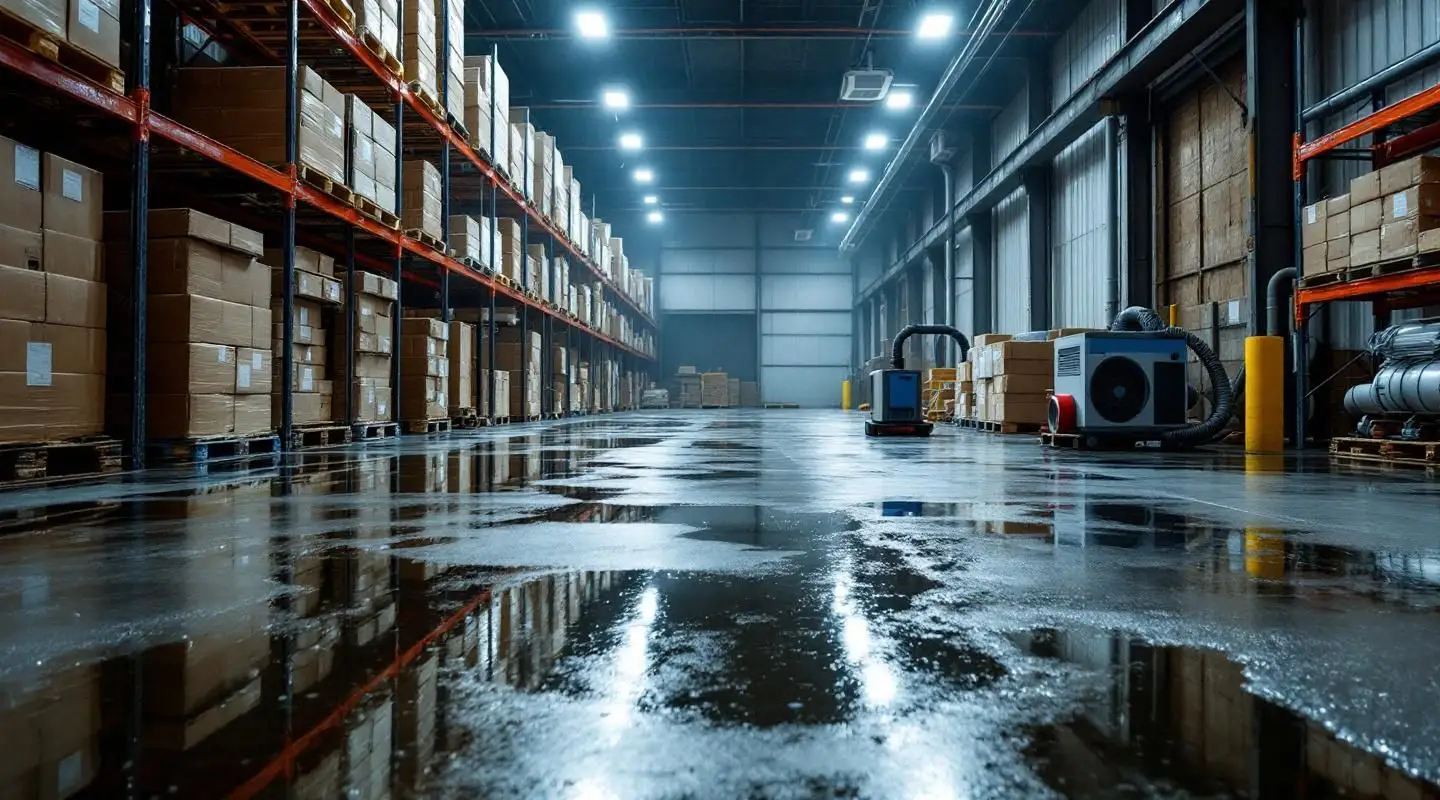
When a fire suppression line bursts or a heavy Inland Northwest snowmelt overwhelms your drainage, a warehouse floor can transform into a massive liability in minutes. In Spokane Valley, where aggressive freeze-thaw cycles regularly stress commercial plumbing, professional cleanup isn’t just about mopping up floors; it’s about protecting your operational continuity. You are likely dealing with forklift aisle flooding or loading dock water intrusion that threatens both your racking systems and your bottom line. Our experienced technicians understand that every hour your facility sits idle is an hour of missed shipments and potential contract penalties.
We don’t just guess where the water went. Our crew uses thermal imaging moisture detection to find liquid trapped behind insulated wall panels or under heavy equipment. This moisture mapping is the foundation of a proper structural drying protocol. By deploying high-capacity desiccant dehumidifiers, we can pull moisture from the air even in the low-temperature conditions common during our local winters. This is critical because standard refrigerant units often fail when the mercury drops, but your warehouse still needs to be bone-dry to prevent mold and corrosion on stored fleet vehicles or inventory.
Strategic air mover placement and industrial-grade commercial water extraction are required to handle the sheer volume of a large-scale loss. Whether you are located in the Spokane Industrial Park or along the Sprague Avenue corridor, your facility requires a response that matches its scale, including specialized concrete slab drying to prevent hidden moisture from surfacing later. We follow the IICRC S500 standard to ensure that every step—from extraction to final psychrometric documentation—is handled with industrial-grade precision. You need a partner who can work around your shifts to minimize downtime while ensuring that category 3 water contamination from floor drains is fully remediated. Our goal is to get your team back to work safely, providing the detailed logs your insurance carrier requires to approve the claim.
The primary benefit of a specialized industrial drying protocol is the mitigation of inventory loss and the protection of your facility’s operational rhythm. When a fire suppression line bursts or a loading dock floods, the clock starts ticking against your bottom line. By deploying heavy-duty commercial water extraction and moisture mapping immediately, we can identify exactly where water is hiding—often under heavy racking or within concrete slabs—before it ruins palletized stock. This precision prevents the “wicking” effect where moisture climbs up corrugated packaging, potentially saving thousands of dollars in inventory that would otherwise be slated for disposal.
Beyond the immediate cleanup, our approach focuses on long-term structural health and insurance defensibility. We use high-capacity desiccant dehumidifiers and strategic air mover placement to achieve the dry standards required by the IICRC S500. For facility managers, this means you aren’t just getting a dry floor; you’re getting a comprehensive psychrometric log that proves the building was restored to a pre-loss condition. This level of detail is essential for restoration services in Spokane Valley to ensure your property insurance claim is processed without disputes over hidden moisture or secondary mold growth.
Inventory Loss Mitigation — Rapid response stops water from wicking into stored goods and packaging materials.
Minimized Operational Downtime — We work around your shifts and forklift aisles to keep your logistics moving.
Concrete Slab Drying — Specialized equipment pulls deep-seated moisture from industrial floors to prevent future coating failures.
Accurate Moisture Mapping — Thermal imaging identifies hidden pockets of water behind insulated wall panels and under racking.
Detailed Claims Documentation — Daily psychrometric logs provide the technical proof your insurance carrier needs for full reimbursement.
Most industrial drying projects in Spokane Valley take between three and five days, though the timeline depends heavily on the water category and the porosity of your flooring. If we are performing concrete slab drying after a fire suppression line bursts during a hard freeze, we use high-capacity desiccant dehumidifiers to pull deep-seated moisture from the substrate. In the Inland Northwest, our summer humidity is naturally low, which can accelerate the process, but winter jobs require more aggressive heat and airflow management. We provide daily psychrometric documentation so you can see the drying curve in real-time. This transparency ensures your logistics schedule isn’t held up by guesswork or unnecessary delays.
Yes, we frequently perform Warehouse Water Damage Cleanup while your crew continues to pick and pack. Our team focuses on forklift aisle flooding and loading dock water intrusion first to clear your primary traffic lanes and keep the workflow moving. We use low-profile air movers and secure all power cables to prevent trip hazards for your staff. By segmenting the drying zones with temporary containment, we can maintain industrial dehumidification in the affected bays without disrupting the entire Spokane Valley facility. You don’t have to choose between a dry building and meeting your shipping deadlines; we coordinate our moisture mapping around your shift changes to keep the floor safe and productive.
Responsibility usually falls on the party defined in your commercial lease, but the immediate priority is always mitigation to prevent inventory loss. Whether you are the property owner or the tenant, our company provides the detailed moisture mapping and thermal imaging logs required by insurance adjusters to process claims quickly. For Spokane Valley businesses, it is vital to check if your contractor is properly registered and bonded. You can verify a firm’s status through the Washington State Department of Labor & Industries. Having a technician who follows the IICRC S500 standard ensures that your Warehouse Water Damage Cleanup costs are documented correctly, reducing the likelihood of a claim dispute.
Standard residential fans are useless in a 50,000-square-foot facility. For effective Warehouse Water Damage Cleanup in Spokane Valley, we deploy large-format industrial air movers and desiccant dehumidifiers that can handle massive air volumes. These units are essential for drying out racking systems and preventing corrosion on fleet vehicles or sensitive electronics stored on-site. We also use thermal imaging moisture detection to find water trapped behind insulated wall panels or under heavy equipment. This high-output approach is the only way to reach the ‘dry standard’ required to prevent mold growth in the large open spans common in the Spokane Industrial Park, especially when groundwater intrusion occurs during the spring snowmelt.
Protecting your stock is our first move. During Warehouse Water Damage Cleanup, we perform a rapid inventory and contents pack-out to move salvageable goods to a dry zone. If the water is Category 3—such as a sewage backup or groundwater intrusion—we follow strict decontamination protocols to protect your staff. We work closely with your procurement and operations leads to document every damaged item for insurance purposes. Our goal is to mitigate inventory loss by stabilizing the environment before secondary damage, like cardboard box collapse or mold, can ruin your stored assets. You can learn more about our work in Spokane Valley and how we handle large-scale commercial losses.
Don’t let a burst fire suppression line or a flooded loading dock paralyze your logistics. Every hour your forklift aisles are underwater is an hour of missed shipments and mounting contract penalties. We provide 24/7 commercial water extraction and industrial dehumidification to stabilize your facility before secondary damage sets in. You need a crew that moves as fast as your supply chain does.
Our experienced technicians understand the IICRC S500 standard and provide the psychrometric documentation your insurance carrier requires for a smooth claim. Whether you are located in the Spokane Industrial Park or along the Sprague Avenue corridor, we are ready to deploy. Reach out today to start the moisture mapping process and secure your concrete slabs against long-term damage.
When a fire suppression line bursts or a roof drain fails in a 50,000-square-foot facility, you cannot afford to wait on a residential-focused franchise or a general contractor who lacks industrial-scale drying power. At Wilson Restoration, we specialize in the unique physics of large-format structures. We understand that warehouse operations in Spokane Valley operate on tight delivery windows, and standing water in a forklift aisle isn’t just a slip hazard—it is a threat to your entire supply chain. Unlike national chains that may send a rotating crew of entry-level workers, our team consists of senior practitioners who understand the nuances of concrete slab drying and inventory loss mitigation.
Our technical approach is rooted in the IICRC S500 standard, ensuring that every step of the cleanup is scientifically tracked and documented. Wilson Restoration brings the heavy-duty hardware required for industrial environments, including high-capacity desiccant dehumidifiers that perform in the low-temperature conditions common during our Inland Northwest winters. We don’t just extract the water; we provide the thermal imaging moisture detection and psychrometric logs that your insurance carrier and property owner demand. By choosing Wilson Restoration, you are partnering with a locally owned company that prioritizes your operational uptime and provides the transparent, expert-led communication necessary to navigate a major commercial loss.
Ignoring warehouse water damage, even for a few hours, can lead to catastrophic structural compromise and massive inventory loss. In Spokane Valley, we often see burst fire suppression lines during the hard freezes of January or sudden loading dock water intrusion during spring snowmelt. When thousands of square feet are under an inch of water, it isn’t just a cleanup job; it’s a race against secondary damage. If you don’t initiate commercial water extraction immediately, moisture migrates into porous concrete and up the drywall of office partitions, creating a breeding ground for mold that can shut down your entire facility. We focus on rapid inventory loss mitigation to save your stock before the humidity levels climb high enough to ruin packaging and sensitive electronics.
The sheer scale of an industrial facility requires more than just a few fans. You need a structural drying protocol that accounts for high-piled storage and heavy-duty racking systems. Water trapped under a concrete slab can lead to long-term stability issues or “sweating slab syndrome,” which creates a significant slip hazard for your forklift operators. Our crew uses thermal imaging moisture detection to find hidden pockets of water that the naked eye misses, ensuring that every forklift aisle and loading bay is truly dry before we pull our equipment. Following the IICRC S500 standard isn’t just about being thorough; it’s about protecting the long-term value of your real estate investment and ensuring the safety of your staff.
Downtime is the silent killer of warehouse profitability. Every hour your crew can’t pick and pack is an hour of missed shipments and potential contract penalties. By deploying industrial dehumidification and desiccant dehumidifiers early, we stabilize the environment to prevent rust on your fleet and warping of palletized goods. Our team provides the detailed psychrometric documentation and moisture mapping your insurance carrier requires to process claims without the usual friction. Working with experienced technicians ensures that your facility returns to operational status quickly, minimizing the ripple effect of a flood on your supply chain. We understand that in the Spokane Industrial Park or along the Sprague corridor, your floor space is your most valuable asset.
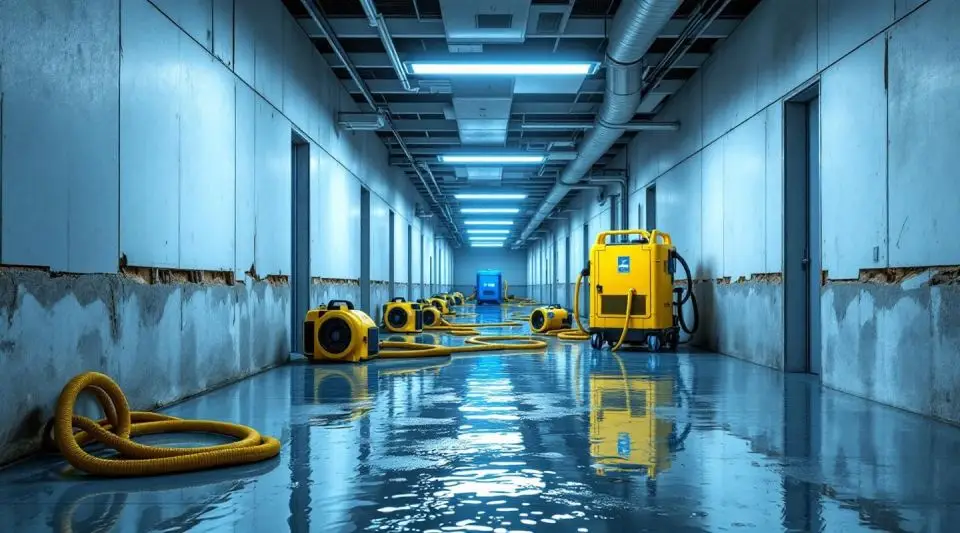
When a main line shears or a flat roof fails during a Spokane Valley winter, the clock starts ticking against your bottom line.
Learn more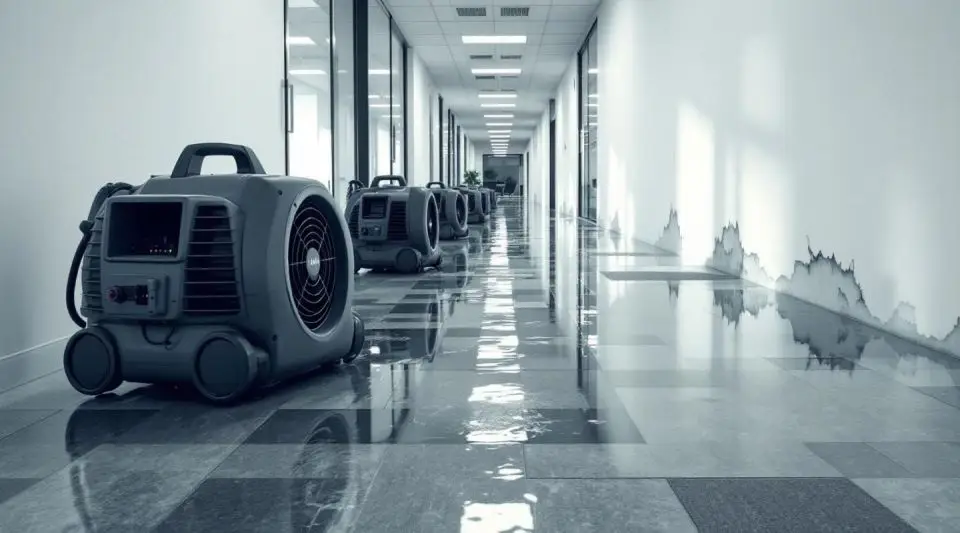
Walking into your Spokane Valley office complex to find a burst pipe has sent water cascading through multiple floors is a high-stakes crisis.
Learn more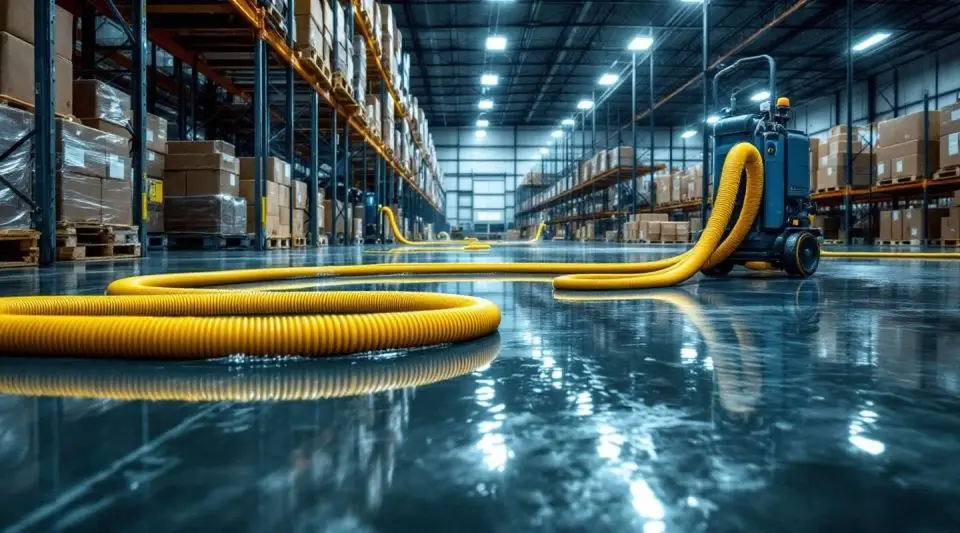
When a fire suppression line shears or a heavy rain event overwhelms the drainage at your Spokane Valley facility, the clock starts ticking against your inventory and your concrete slab.
Learn more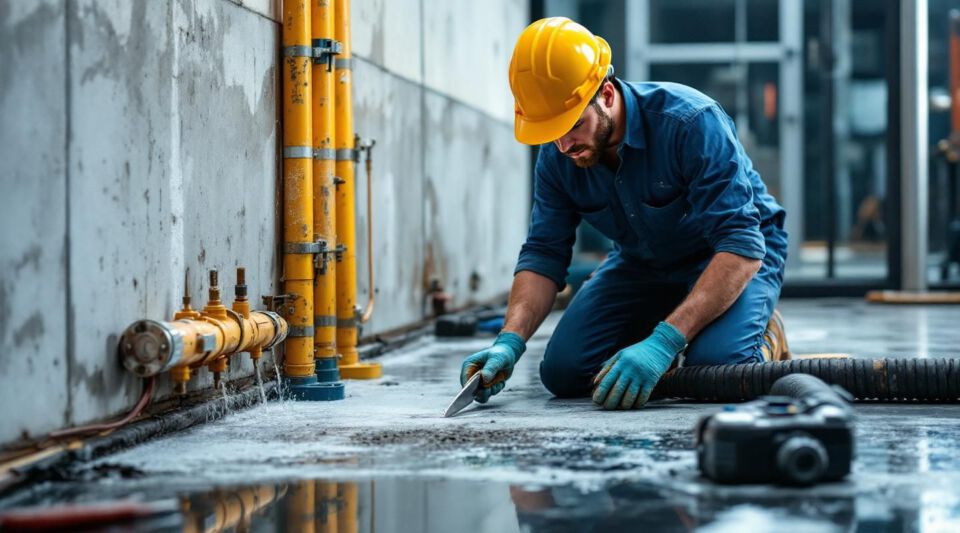
When a main line bursts on the fourth floor of a hotel, you aren't just dealing with a puddle; you're facing a logistical crisis that threatens your room inventory and brand reputation.
Learn more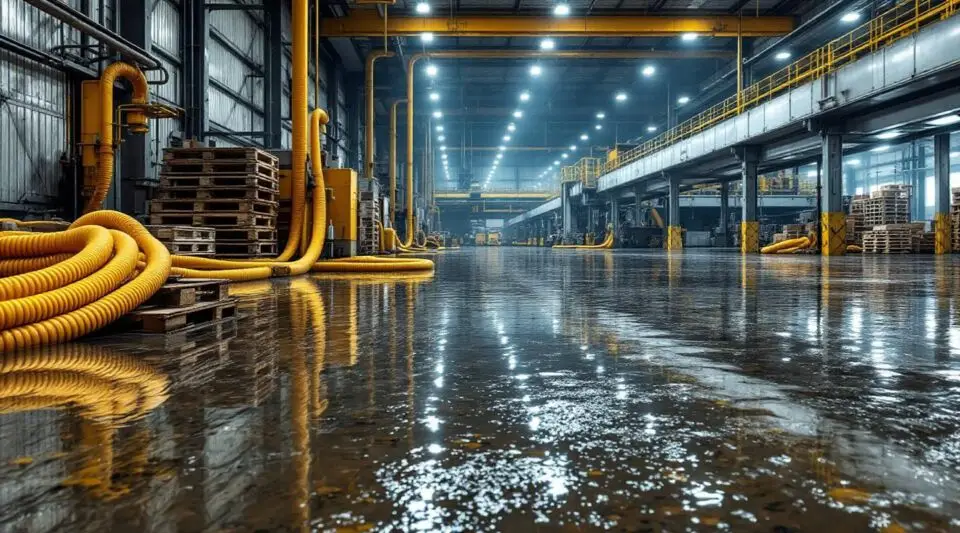
When a water main fails or the spring snowmelt overwhelms the storm drains in the Spokane Valley industrial corridor, your facility doesn't just get wet—it stops.
Learn more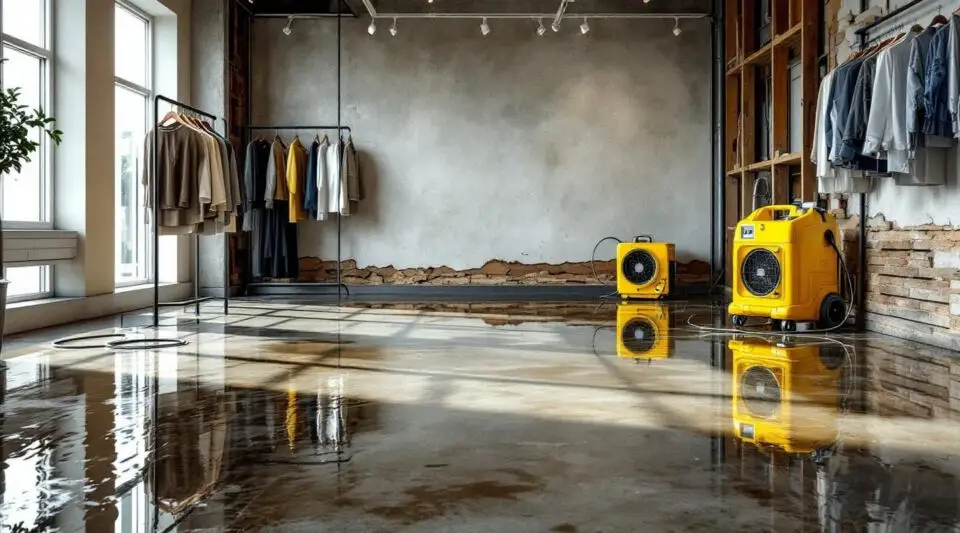
When a water main snaps or a sudden storm overwhelms your storefront in Spokane Valley, the clock starts ticking against your inventory and your bottom line.
Learn more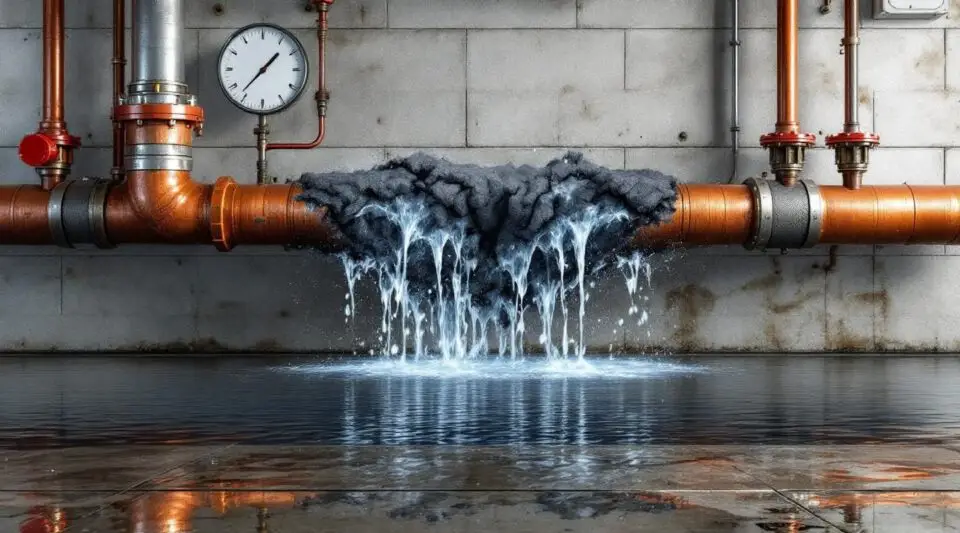
When a pressurized pipe failure occurs in a commercial setting, the volume of water released can be staggering, often flooding multiple floors within minutes.
Learn moreThey quickly and carefully fixed the water damage. Structural drying stopped things from getting worse.
Irene Adams
Great communication and quick response time. They cleaned up the water damage swiftly and talked to our insurance company directly. A completely stress-free experience.
Tri Inayati
This group was great after our basement flooded. They used strong fans and dehumidifiers to make sure everything was absolutely dry. Very careful with the details and affordable prices.
John Hurst
I called them late at night since I needed to remedy water damage right away, and they came right away. They got there right away and got the water out promptly, which made a great difference in how much damage was done.
Mary Taylor
Wilson Restoration performed a great job of fixing the damage to our home caused by smoke and water. They carefully examined the damage and made a clear plan on how to fix it. The guys did an excellent job quickly, and the results were great.
Dorothy Frazier